Balochistan Gives Rs3 Billion for Quetta Train Project
Balochistan Gives Rs3 Billion for Quetta Train Project
Balochistan Gives Rs3 Billion to Railways for Train Project in Quetta City
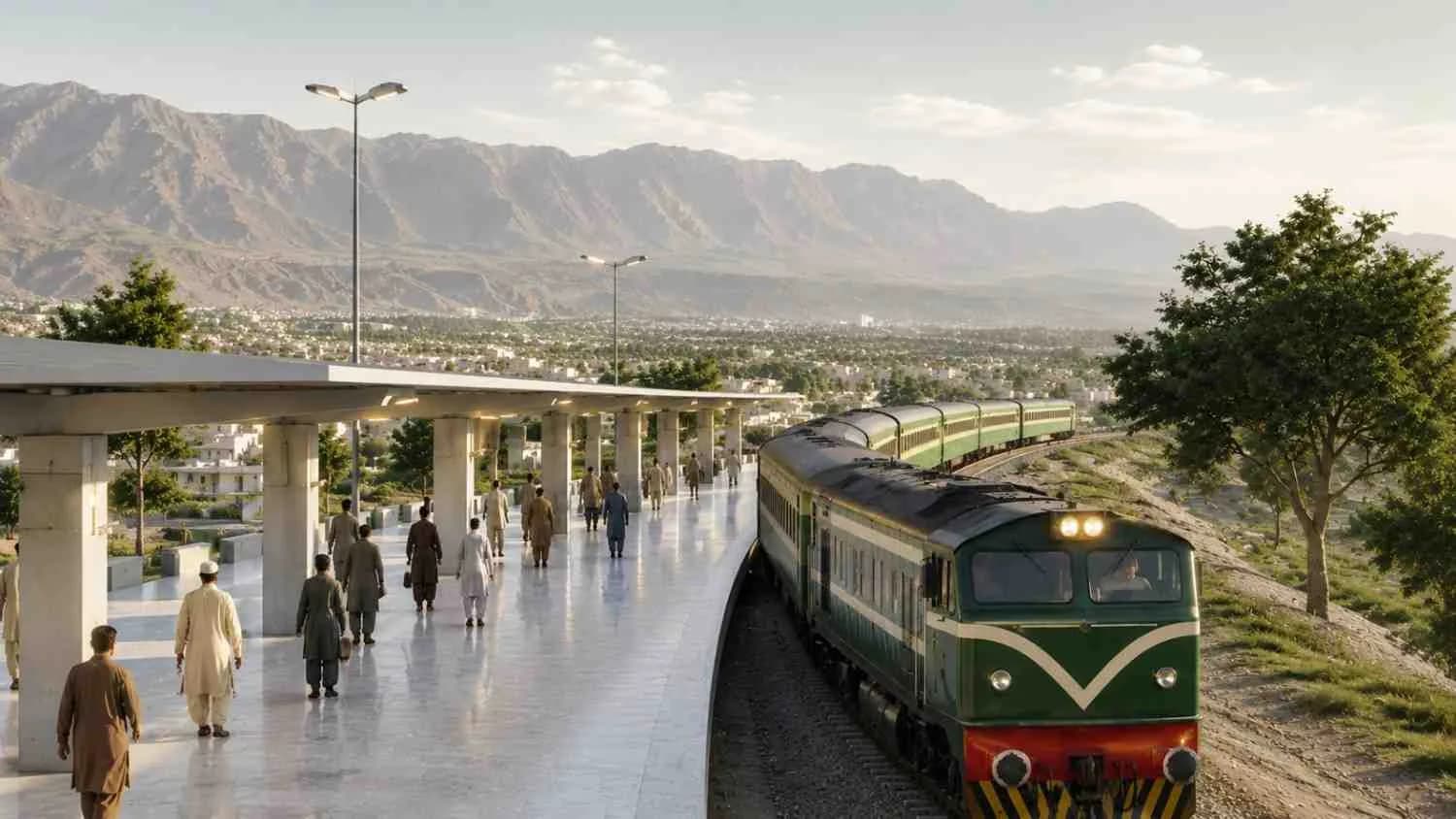
Pakistan Railways has received a major boost after the Balochistan government approved Rs3 billion to launch a new urban train service in Quetta. The project is expected to improve daily travel for residents while marking another step toward modernizing the country's railway network.
According to Pakistan Railways officials, the funding will support the launch of the People's Train, a shuttle service planned for a nearly 15-kilometre route inside Quetta. The service is scheduled to begin on August 14, with dedicated locomotives, passenger coaches, and six rehabilitated railway stations.
Why This Project Matters
Public transport remains a challenge in many Pakistani cities. In Quetta, commuters often rely on private vans, rickshaws, or personal vehicles, leading to congestion and higher travel costs.
In many cases, affordable rail transport can reduce pressure on roads while offering a safer and more comfortable travel option. From experience, cities with reliable public transport also see better access to education, healthcare, and employment opportunities.
The Quetta train project aims to:
Improve daily commuting within the city
Offer affordable transportation for residents
Reduce traffic congestion
Upgrade railway infrastructure
Encourage greater use of public transport
Quick Project Overview
Detail | Information |
|---|---|
Project | People's Train |
City | Quetta |
Funding | Rs3 Billion |
Funding Source | Government of Balochistan |
Route Length | Around 15 km |
Planned Launch | August 14 |
Stations to be Rehabilitated | Six |
Executing Agency | Pakistan Railways |
Rather than being just another railway announcement, this initiative reflects growing cooperation between provincial governments and Pakistan Railways to improve transport services where they are needed most.Lahore and Taxila Railway Stations to Receive Major Heritage Restoration
The Quetta train project is only one part of a broader railway modernization plan. Pakistan Railways, with financial support from the Punjab government, has also finalized master plans to restore and modernize the historic railway stations in Lahore and Taxila.
The goal is simple. Preserve the stations' historic identity while introducing facilities that meet modern passenger expectations. Instead of replacing old architecture, the project focuses on restoring it and making the buildings more useful for today's travelers.
Lahore Railway Station Will Blend Heritage With Modern Comfort
Lahore Railway Station is one of Pakistan's oldest and most recognizable transport landmarks. Over the years, heavy passenger traffic and aging infrastructure have affected parts of the building.
The new restoration plan includes structural repairs, waterproofing, roof rehabilitation, drainage improvements, and heritage-style lighting. Passenger areas will also receive a major upgrade through improved seating, modern kiosks, a redesigned information desk, a family lounge, and a dedicated history wall showcasing the station's legacy.
One common mistake people make is assuming modernization means removing historic buildings. Around the world, many successful transport hubs preserve their original architecture while improving safety and passenger comfort. Pakistan Railways appears to be following the same approach.
Taxila Station Will Highlight Pakistan's Rich Cultural Heritage
Taxila Railway Station will also undergo significant improvements while maintaining its historical appearance. The master plan focuses on creating a better experience for both passengers and tourists visiting the ancient city.
Planned improvements include:
Restored historic ticket office
Victorian-style lighting
Taxila stone walkways
Organized parking facilities
Modern public washrooms
Landscaped public spaces
Safe pedestrian walkways
Heritage display areas
Café and restaurant inside the old goods warehouse
From experience, railway stations located near historical sites often become attractions themselves. Countries such as India, Türkiye, and parts of Europe have successfully turned heritage stations into tourism landmarks. Taxila has the potential to follow a similar path by welcoming visitors with a station that reflects the city's archaeological importance.
The restoration projects will follow international heritage conservation principles, ensuring that modern upgrades do not compromise the original architectural character of these historic railway buildings.Sindh and KP Join Pakistan Railways' Modernization Drive
The railway improvement plan is no longer limited to one province. Alongside Balochistan and Punjab, Sindh and Khyber Pakhtunkhwa have also stepped forward to support Pakistan Railways through funding and policy cooperation.
This coordinated effort shows that provincial governments increasingly view rail transport as a long-term investment rather than just a public service. Better railway infrastructure can strengthen regional connectivity, reduce road congestion, and improve passenger convenience across Pakistan.
Sindh Allocates Funds for Rohri and Sukkur Railway Station Upgrades
Pakistan Railways has confirmed that the Sindh government has released an initial Rs750 million for the restoration and modernization of the Rohri and Sukkur railway station facilities.
According to railway officials, another installment of the same amount is expected in the coming months. The funding will help improve station infrastructure and passenger amenities while preserving the importance of one of Pakistan's busiest railway corridors.
Key improvements are expected to include:
Better station infrastructure
Improved passenger waiting areas
Enhanced safety measures
Upgraded public facilities
Preservation of historic railway structures
In many cases, travelers judge an entire railway journey by the condition of the station. Cleaner platforms, organized waiting areas, and clear passenger information often leave a stronger impression than the train itself.
Khyber Pakhtunkhwa Signals Future Railway Cooperation
Khyber Pakhtunkhwa has also expressed its willingness to work with Pakistan Railways. The provincial cabinet has approved signing a Memorandum of Understanding (MoU) aimed at improving railway infrastructure and passenger services.
While detailed projects have yet to be announced, the agreement could open the door for future investment in railway stations, operational facilities, and regional connectivity within the province.
This growing collaboration between federal and provincial authorities reflects a broader shift toward strengthening Pakistan's transport network through shared responsibility and coordinated planning.
Customer Testimonial Highlights
Although the new projects are still in the implementation phase, many Pakistani commuters have consistently expressed similar expectations on travel forums and public discussions.
"If stations become cleaner and safer, more families will choose trains again."
"Affordable rail transport can save daily commuting costs."
"Historic stations should be preserved instead of replaced."
"Better railway facilities can encourage tourism and local businesses."
These views reflect what many regular passengers hope to see as Pakistan Railways moves forward with its modernization plans.Government Vision for Pakistan Railways and What It Means for the Future
The latest railway initiatives reflect a broader vision to transform Pakistan Railways into a modern, reliable, and passenger-friendly transport system without losing its historical identity.
Federal Minister for Railways Muhammad Hanif Abbasi said that Lahore and Taxila railway stations are more than transport hubs. They represent Pakistan's cultural and historical heritage. He added that the restoration work will preserve their original character while introducing modern facilities that improve safety, comfort, and convenience for passengers.
More Than Infrastructure, A Long Term Investment
The restoration and development projects are expected to deliver benefits beyond railway travel. Modern stations can support local businesses, attract tourists, and create a more welcoming environment for visitors.
Expected long-term benefits include:
Improved passenger experience
Better preservation of historic railway buildings
Growth in domestic tourism
Stronger regional connectivity
Increased confidence in public transport
Better accessibility for families and elderly passengers
From experience, transport projects deliver the greatest value when maintenance continues after construction. Investing in station cleanliness, security, and customer service will be just as important as restoring the buildings themselves.
Provincial Partnership Signals Positive Change
The financial support from Balochistan, Punjab, and Sindh, along with Khyber Pakhtunkhwa's planned cooperation, shows a stronger partnership between provincial governments and Pakistan Railways.
Instead of working independently, these governments are contributing to projects that improve transport services across different regions of Pakistan. This collaborative approach could help accelerate future railway upgrades in other cities as well.
Conclusion
The decision by Balochistan to provide Rs3 billion for the Quetta People's Train marks a significant milestone in Pakistan's railway development. Combined with heritage restoration projects in Lahore and Taxila and additional support from Sindh and Khyber Pakhtunkhwa, Pakistan Railways is entering a new phase of modernization.
If these projects are completed as planned and maintained effectively, they could improve daily commuting, preserve the country's railway heritage, and strengthen public confidence in rail transport. For millions of Pakistanis, that would mean more than upgraded stations and new trains. It would represent a practical step toward a more connected, efficient, and passenger-focused railway network.
FAQs.
What are the three railway projects?
The three railway projects are:
Nagda-Mathura 3rd and 4th Line
Guntakal-Wadi 3rd and 4th Line
Burhwal-Sitapur 3rd and 4th Line
These projects are expected to be completed by 2030-31.
How much is the train ticket from Karachi to Quetta?
Train ticket fares from Karachi to Quetta generally range between PKR 2,050 and PKR 4,200, depending on the class of travel selected.
Who owns Pakistan Railways?
Pakistan Railways is a state-owned organization operating under the Ministry of Railways (MoR), Government of Pakistan. It is responsible for managing passenger rail services, railway infrastructure, and related operations across the country.
Is Pakistan planning a bullet train?
Yes. Pakistan plans to launch its first bullet train connecting Karachi and Lahore by 2030. The proposed high-speed rail project aims to reduce travel time from more than 18 hours to around 5 hours and is part of the ML-1 upgrade under the China-Pakistan Economic Corridor (CPEC).
Which train is known as the Queen of Trains?
The Deccan Queen is popularly known as the "Queen of Trains." It is an Indian passenger train operated by Indian Railways between Mumbai and Pune and is recognized for its historic significance.
What are the four types of railways?
The four main types of railway systems are:
Intercity or Long-Distance Rail
Commuter Rail
Urban Rapid Transit (Metro)
Light Rail or Trams
Which train runs from Quetta to Karachi?
The Bolan Mail is the daily Pakistan Railways passenger train that directly connects Quetta with Karachi.
How much is the train ticket from Islamabad to Quetta?
Train fares from Rawalpindi/Islamabad to Quetta on the Jaffar Express generally range from PKR 4,350 to PKR 13,300, depending on the travel class.
Which is the best train in Pakistan?
The Green Line Express is widely regarded as one of the best trains in Pakistan due to its modern coaches, punctual service, onboard meals, Wi-Fi, and comfortable travel experience.
Topics in this story
Article Details
Category: News
Published: 20 July 2026
Time: 10:35 am
Updated: 20 July 2026 at 11:03 am
Author: Rabia
More Stories